Rainbow Sheep Retro Graphics for T-Shirt Designs
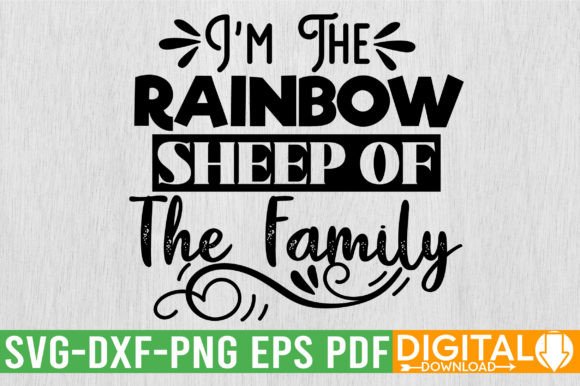
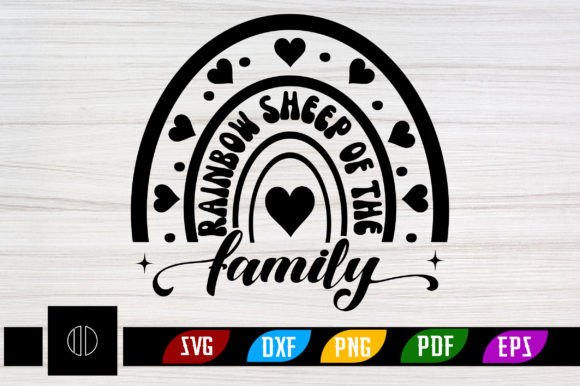
Let’s talk about this Rainbow Sheep of the Family Retro Svg graphic from a seller’s perspective. You’re preparing a new collection for your Etsy shop or print-on-demand store, and you’ve just downloaded this asset. The first impression is key. This design has a distinct retro, playful personality. It feels decorative, handmade, and carries a warm, familial vibe. The style leans into a cute, rustic aesthetic that could attract buyers looking for nostalgic, whimsical designs for family-themed merchandise or gifts.
Niche Appeal and Product Potential
The mood here is clearly playful and sentimental. This isn’t a minimal, modern graphic; it’s a decorative illustration with character. It appeals to a niche audience interested in family themes, perhaps for moms, crafters, or buyers wanting a unique, lighthearted design. For a seller, this opens doors to several product categories beyond just t-shirt designs. Think printable wall art for a nursery, a graphic for a family reunion mug, or a focal point for a greeting card or invitation template. The retro colors and style could slot nicely into a seasonal bundle, say for a spring or Easter collection, adding a unique option.
Testing Across Real Product Mockups
Before I list anything, my process is to test the design across different applications. This is where the practical evaluation begins. The download includes essential files: one SVG for use with Cricut Explore or Silhouette Designer Edition, and one DXF for Silhouette users. This is a standard but crucial package for a digital product aimed at crafters and creators.
First, I open the SVG in my design software to inspect the quality. A clean, well-layered SVG is vital for smooth cutting on Cricut projects or Silhouette projects. I check the cut lines, ensure there are no hidden overlapping paths, and confirm the resolution is suitable for scaling. Then, I create PNG versions at various sizes for use in sublimation designs, Canva templates, or as clipart in digital paper packs.
Practical Uses in a Selling Scenario
Imagine you’re launching a themed “Family Fun” bundle on Creative Fabrica or Shopify. This Rainbow Sheep of the Family Retro Svg can be a core asset. Here’s how I’d deploy it:
- T-Shirt Graphics & Mug Designs: It’s obviously suited for apparel, but test it on a mockup. Does it look balanced on a shirt pocket or as a full-center print? For mugs, check how it wraps around the curve.
- Printable Wall Art & Planner Stickers: Scale it up for a 8x10 print. Does the detail hold up? For stickers, simplify it slightly if the details are too fine for small die-cut stickers.
- Social Media Graphics & Blog Graphics: Use a cropped portion as a promotional visual for your shop. Its colorful nature can increase thumbnail appeal.
- Canva Templates & Invitation Templates: Incorporate it as a decorative element in a digital template. Pair it with a complementary font—a friendly sans serif or a playful script font works well here.
- Tote Bag Prints & Tumbler Wraps: For larger surface areas, this illustration can become a bold, all-over print. Verify the PNG transparency for clean placement on mockups.
Presentation and Perceived Value
How this asset helps your product presentation is significant. A unique graphic like this can be the hero piece of a listing. Use it in large product previews to showcase detail. Create multiple mockup images: the sheep on a baby’s t-shirt, on a wall art frame, on a cozy mug. This visual storytelling builds customer trust and shows the design’s versatility, increasing the perceived value of your entire digital download or product bundle.
For brand consistency, if your shop specializes in rustic or cute commercial designs, this asset fits that identity. It can help tie a seasonal collection together, making your shop look curated and professional.
Where This Design Excels and Where to Use Caution
This graphic design asset works best in applications where its decorative, retro personality can shine.
- Large Product Previews: Let it be the star in your Etsy product listing images.
- Themed Bundles: Combine it with coordinating patterns or text graphics in a digital product bundle.
- Printable Products: As standalone art prints or as part of a scrapbooking kit.
- Merchandise Graphics: On light-colored apparel and home goods where the rainbow colors pop.
However, use it carefully in certain contexts.
- Tiny Sticker Details: The intricate lines and rainbow segments might become lost or blurry if scaled down too much for small sticker designs.
- Overly Complex Layouts: Avoid crowding it with too many other elements on a thumbnail; it needs space to be recognizable.
- Low-Resolution Print Products: Always output from the SVG at high resolution for physical prints to maintain quality.
- Dark Backgrounds: Test the contrast. Some lighter colors in the rainbow might not stand out well on a dark substrate without adjustment.
- Clean Cutting Lines: For Cricut projects, ensure the SVG paths are simple and not too thin; verify this before selling finished cut products.
Essential Seller Checks Before Publishing
My final steps before a product goes live always involve a checklist. For this Rainbow Sheep asset, I would:
- Test it on at least three real product mockups (t-shirt, mug, wall art) from different angles.
- Preview how the main graphic looks as a marketplace thumbnail—is it eye-catching and clear?
- Check how it renders on both a white and a dark background to understand its versatility.
- If selling physical prints, do a test print to verify the colors match the digital preview.
- Confirm the PNG transparency is perfect and the SVG layers are properly organized for customer use.
- Pair it with different font styles in sample compositions: a serif font for a more classic feel, a handwritten font for a casual look, to show buyers possibilities.
- Absolutely confirm the commercial licensing of my source asset to sell the finished products or templates.
Integrating a design like Rainbow Sheep of the Family Retro Svg into your online shop isn’t just about adding another listing. It’s about evaluating how it enhances your collection’s visual hierarchy, fills a niche, and can be reliably transformed into sellable products. By methodically testing its application across merchandise, printable files, and digital templates, you build a stronger, more professional-looking product line that resonates with crafters, small business owners, and creative entrepreneurs looking for quality design assets.